

Federal prosecutors charged three engineers from Silicon Valley with stealing trade secrets from Google and sending the data to Iran, according to an indictment unsealed Thursday in the Northern District of California.
A federal grand jury alleges that the three defendants — all based in San Jose — unlawfully obtained confidential information from major technology firms and transferred sensitive materials overseas. The accused are Samaneh Ghandali, 41; her sister Soroor Ghandali, 32; and Mohammadjavad Khosravi, 40. All three were taken into custody and appeared in federal court the same day the charges were announced.
Background of the Defendants
Court documents describe the trio as Iranian nationals. Soroor Ghandali was residing in the United States on a nonimmigrant student visa. Samaneh Ghandali later became a naturalized U.S. citizen, while her husband, Khosravi, obtained lawful permanent resident status. Prosecutors also stated that Khosravi previously served in the Iranian military.
The defendants are facing multiple federal charges, including conspiracy to commit trade secret theft, theft and attempted theft of trade secrets, and obstruction of justice, according to the U.S. Attorney’s Office for the Northern District of California.
Allegations of Corporate Espionage
Investigators claim the defendants leveraged their employment at leading semiconductor and mobile processor companies to access hundreds of confidential files. The alleged materials included proprietary data related to processor security, cryptographic systems, and advanced chip architecture.
Samaneh and Soroor were formerly employed at Google before moving to another technology firm identified in court filings as “Company 3.” Khosravi worked at a separate semiconductor company referred to as “Company 2,” known for designing system-on-chip (SoC) platforms used in smartphones and mobile devices.
What Is a System-on-Chip (SoC)?
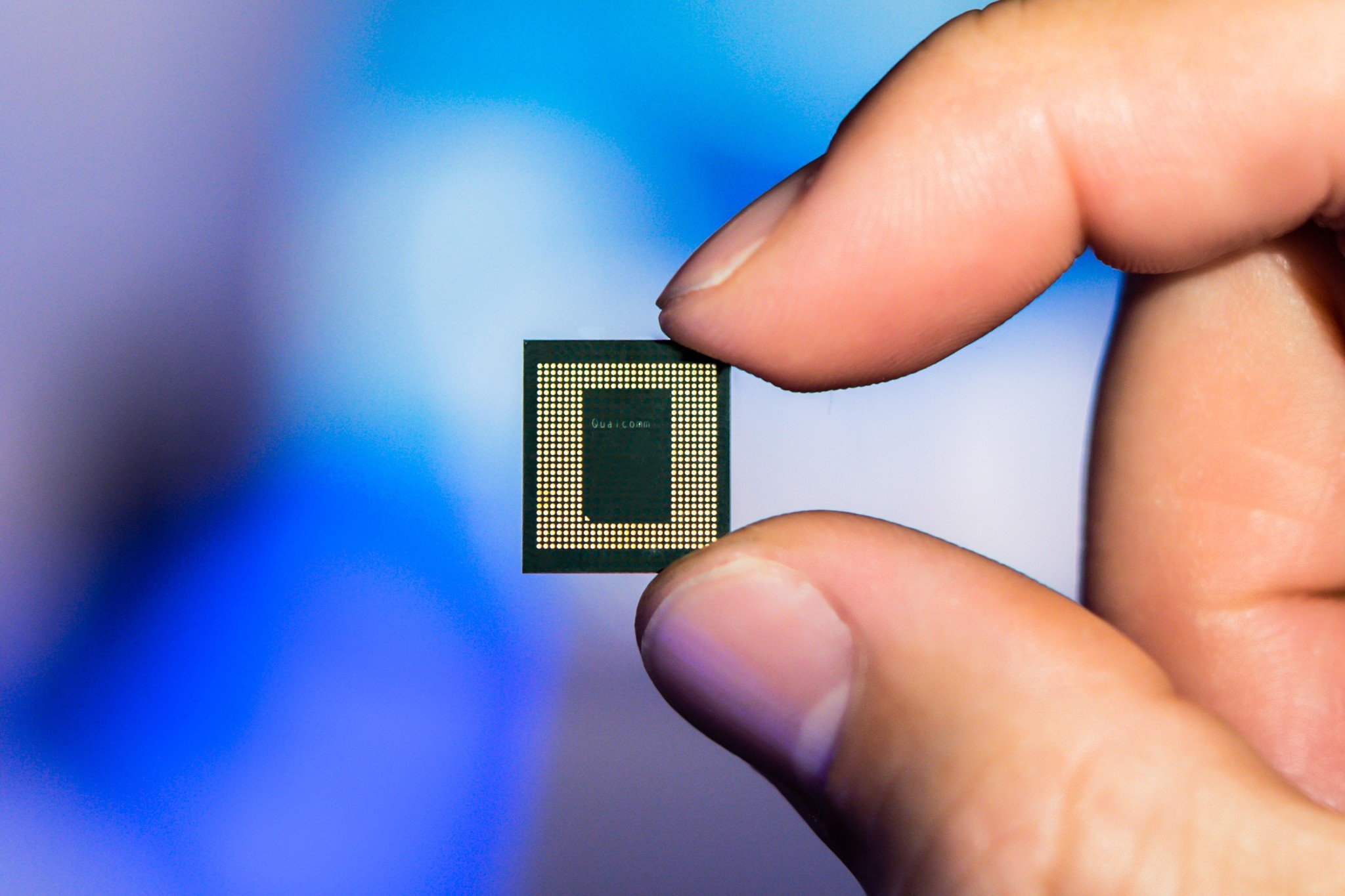

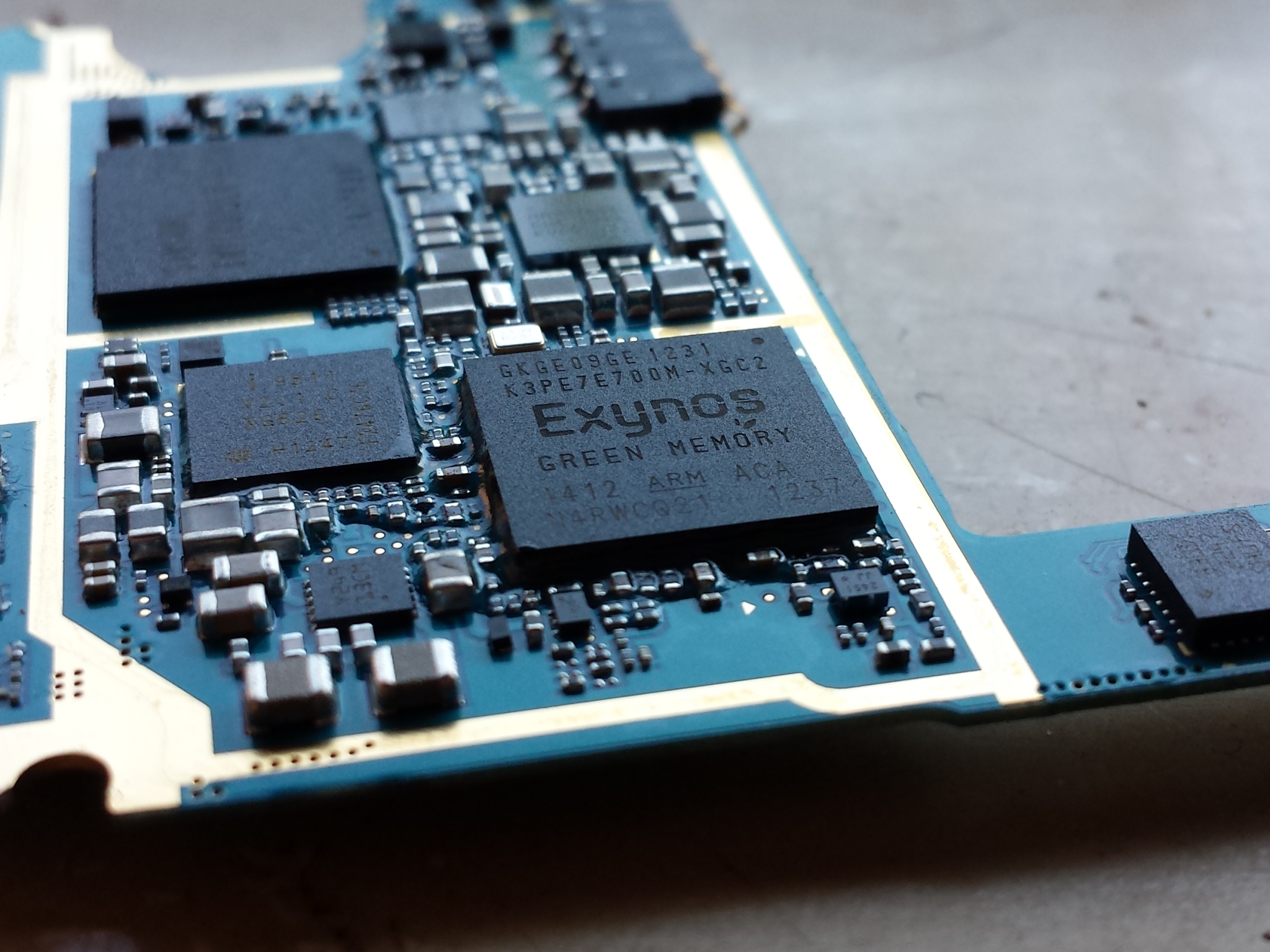
A system-on-chip, or SoC, is a compact semiconductor that integrates multiple computing components — such as a central processing unit (CPU), graphics processor (GPU), memory, and connectivity modules — into a single chip. This design allows smartphones and other mobile devices to operate efficiently while conserving power.
Well-known examples include Qualcomm’s Snapdragon processors, widely used in premium Android smartphones, and Apple’s A-series chips that power iPhones. Because SoC designs require years of research and billions in investment, their technical specifications are among the most closely guarded secrets in the tech industry.
Prosecutors argue that the alleged theft involved proprietary information tied to Snapdragon SoC architecture and security features — data considered highly valuable because competitors cannot easily replicate it.
Google’s Internal Detection
In a statement provided to CNBC, Google said its internal monitoring systems identified unusual activity before law enforcement became involved.
The company explained that it maintains strict controls over sensitive information, including limited employee access, two-factor authentication for corporate accounts, and detailed tracking of file transfers to third-party platforms such as Telegram.
According to authorities, Google’s security team detected suspicious data access activity linked to Samaneh in August 2023 and revoked her access to company systems.
Alleged Attempts to Conceal Evidence
Federal investigators claim the defendants took deliberate steps to hide their actions. Court filings allege that stolen files were routed through a third-party messaging platform into private channels associated with each defendant’s first name. The materials were then allegedly copied to personal devices, shared among the group’s work computers, and transmitted to Iran.
After Google flagged the suspicious activity, Samaneh reportedly signed a sworn statement claiming she had not shared confidential information outside the company. Prosecutors allege that statement was false.
Authorities further claim that a personal laptop connected to Samaneh and Khosravi was used to search for methods of deleting communications and determining how long mobile carriers retain message records.
In addition, investigators allege that the couple photographed hundreds of computer screens displaying confidential information — a move that prosecutors say was intended to bypass corporate digital monitoring tools.
On the eve of a December 2023 trip to Iran, Samaneh allegedly captured roughly two dozen photographs of Khosravi’s work computer, including images containing proprietary data related to Snapdragon SoC technology. While in Iran, a device associated with Samaneh reportedly accessed those photographs, and Khosravi allegedly viewed additional internal Company 2 documents.
Potential Consequences
Prosecutors emphasize that the stolen trade secrets carried independent economic value precisely because they were not publicly known and could not be easily obtained by competitors. Unauthorized disclosure, they argue, could significantly harm the companies involved and provide unfair advantages to foreign entities.
If convicted, each defendant could face up to 10 years in prison for every trade secret count and up to 20 years for obstruction of justice. They may also be subject to fines of up to $250,000 per charge.
The case underscores the growing concern among U.S. authorities over the protection of intellectual property in the technology sector — particularly when advanced semiconductor designs and national security considerations intersect.

